Antarctica: A Chilling History of Earth's Last Frontier
Muhe - Thursday, 07 August 2025 | 06:00 AM (WIB)
The Ice Curtain Falls: First Sightings and the Heroic Age
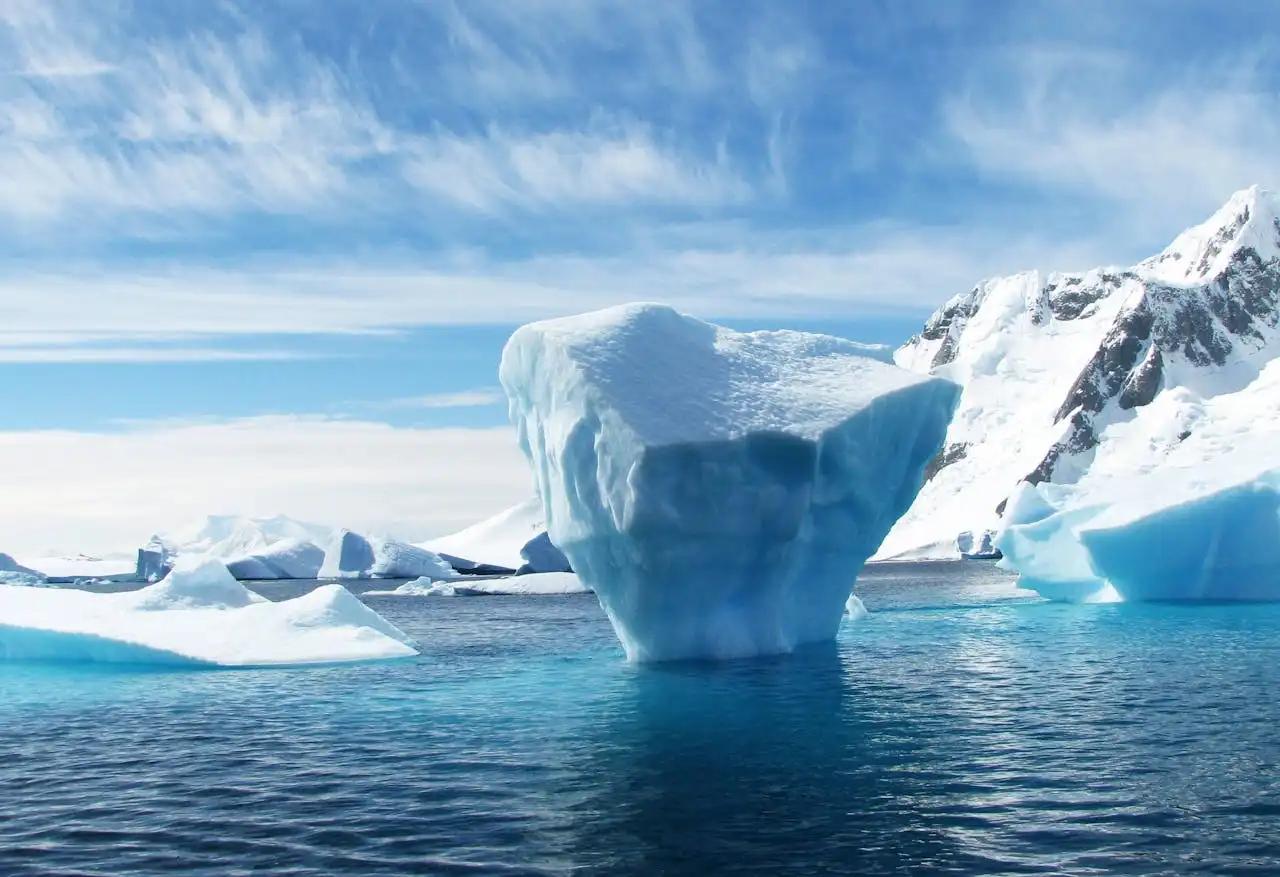
The early 19th century finally pulled back the icy curtain. In 1820, three different expeditions – one Russian (Bellingshausen and Lazarev), one British (Bransfield), and one American (Palmer) – all laid eyes on parts of the Antarctic Peninsula. There's still a friendly debate about who was truly first to spot the mainland. Frankly, who cares? The point is, the game was on. Antarctica was no longer a myth; it was a reality, albeit a terrifying one.But the real drama, the stuff of legend and countless adventure books, came with what's known as the "Heroic Age of Antarctic Exploration." This period, roughly from the late 19th century through the 1920s, saw explorers literally racing to conquer the South Pole and map the vast, uncharted interior. Names like Robert Falcon Scott, Roald Amundsen, and Ernest Shackleton became household names, their stories a mix of staggering courage, brutal hardship, and sometimes, heartbreaking tragedy.Picture this: You’re bundling up in layers of wool and furs, dragging sledges across endless, blinding white, temperatures plummeting to soul-crushing lows. Scott, the earnest British naval officer, led expeditions driven by scientific discovery and national pride. Amundsen, the cunning Norwegian, was all about efficiency and speed. Their race to the South Pole in 1911-12 was the ultimate nail-biter. Amundsen got there first, planting the Norwegian flag. Scott arrived a month later, only to find Amundsen's tent and flag already there. An epic fail for Scott, who, along with his entire party, tragically perished on the return journey, just miles from safety. It’s a gut-wrenching tale of human limits and the unforgiving power of nature.Then there’s Ernest Shackleton, the undisputed king of survival. His Imperial Trans-Antarctic Expedition in 1914 was meant to be the first to cross the continent. Instead, his ship, the Endurance, got trapped and crushed in the ice. What followed was a truly mind-blowing saga of survival as Shackleton led his crew through an unbelievable journey across treacherous ice and open ocean to safety. If you want to talk about grit and leadership, Shackleton wrote the book on it. His story proves that sometimes, the greatest triumph isn't reaching your goal, but saving everyone you set out with.From Blubber to Brainpower: Whaling and the Scientific Shift
While the explorers were chasing poles and glory, another, less romantic chapter of Antarctic history was unfolding: the age of exploitation. The discovery of rich whaling grounds around Antarctica kicked off an industrial boom. Factory ships descended on the Southern Ocean, slaughtering millions of whales for their oil, which was used for everything from lamp fuel to margarine. It was a gold rush, but for blubber, and it decimated whale populations to near extinction. A pretty grim reminder of humanity’s impact, even in the most remote corners of the Earth.After the Heroic Age, the focus on Antarctica began to shift. As the world eyed its strategic location and potential resources, territorial claims started piling up. Britain, New Zealand, Australia, France, Norway, Chile, and Argentina all staked their flags on various slices of the icy pie. It was a geopolitical mess brewing, especially as the Cold War ratcheted up tensions globally. The last thing anyone wanted was a military standoff on the world's coldest continent.A Diplomatic Miracle: The Antarctic Treaty System
And here’s where things get really interesting, showing humanity’s capacity for cooperation even amidst deep divisions. In 1959, twelve nations, including the US and the Soviet Union, signed the Antarctic Treaty. This was a game-changer, a truly unprecedented agreement. Essentially, it put all territorial claims on ice (pun intended), banned military activity, and dedicated the entire continent to peaceful scientific research. No nuclear tests, no military bases, no digging for resources – just pure science and international collaboration. Frankly, it’s a masterclass in diplomacy, a shining example of nations putting aside their differences for the greater good.The Treaty, which came into force in 1961, effectively turned Antarctica into a natural preserve, a global laboratory without a single ruler. Pretty mind-blowing, right? It established a system of shared governance, allowing countries to conduct research, exchange information, and conduct inspections to ensure compliance. It's expanded over the years, now including nearly 60 nations, and it’s arguably one of the most successful international agreements ever penned.Antarctica Today: A Global Lab and a Fragile Eden
Today, Antarctica is still a place of extremes, but it’s no longer just about survival or flags. It’s about science. Research stations dot the continent, humming with activity year-round. Scientists from around the world are busy studying everything from the ozone layer (remember that hole? Antarctic research helped us understand and begin to fix it!) to ancient ice cores that unlock secrets about Earth’s past climate. This place is literally ground zero for understanding climate change, with its melting glaciers serving as a stark warning about our planet's future.Beyond science, Antarctica has also become a destination for a select few tourists. Cruise ships now navigate its stunning fjords, offering glimpses of penguins, seals, and breathtaking icebergs. It’s an incredible experience, but it also comes with a responsibility to protect this pristine environment from the very human footprint it now welcomes.So, from a mythical land to a whaling ground, and finally to a beacon of international cooperation and scientific discovery, Antarctica’s journey is a microcosm of human history – our drive to explore, our capacity for exploitation, and ultimately, our ability to come together for a shared future. It remains Earth’s coldest, driest, highest, and windiest continent, a place truly "beyond nations," a symbol of what's possible when we choose collaboration over conflict. What a vibe shift from those early, competitive days, right?
Did Earth Just Jump from 3D to 5D? Let's Deconstruct the Hype
10 months ago

South Korea Says "No More Pixels, More Pencils!" in Classrooms
a year ago
Japan Earthquake Rumors: Between Manga Prophecies, Tourist Fear, and Scientific Reality
a year ago
Marina Bay Sands to Become a New Icon with US$8–9 Billion Development
a year ago

Global Water Crisis 2025: A Threat That Cannot Be Ignored
a year ago
The Vanishing Crown: Global Warming's Grip on Carstensz Peak's Glaciers
a year ago

The Pig Lungs That Could Change Everything: A New Dawn for Organ Transplants?
a year ago
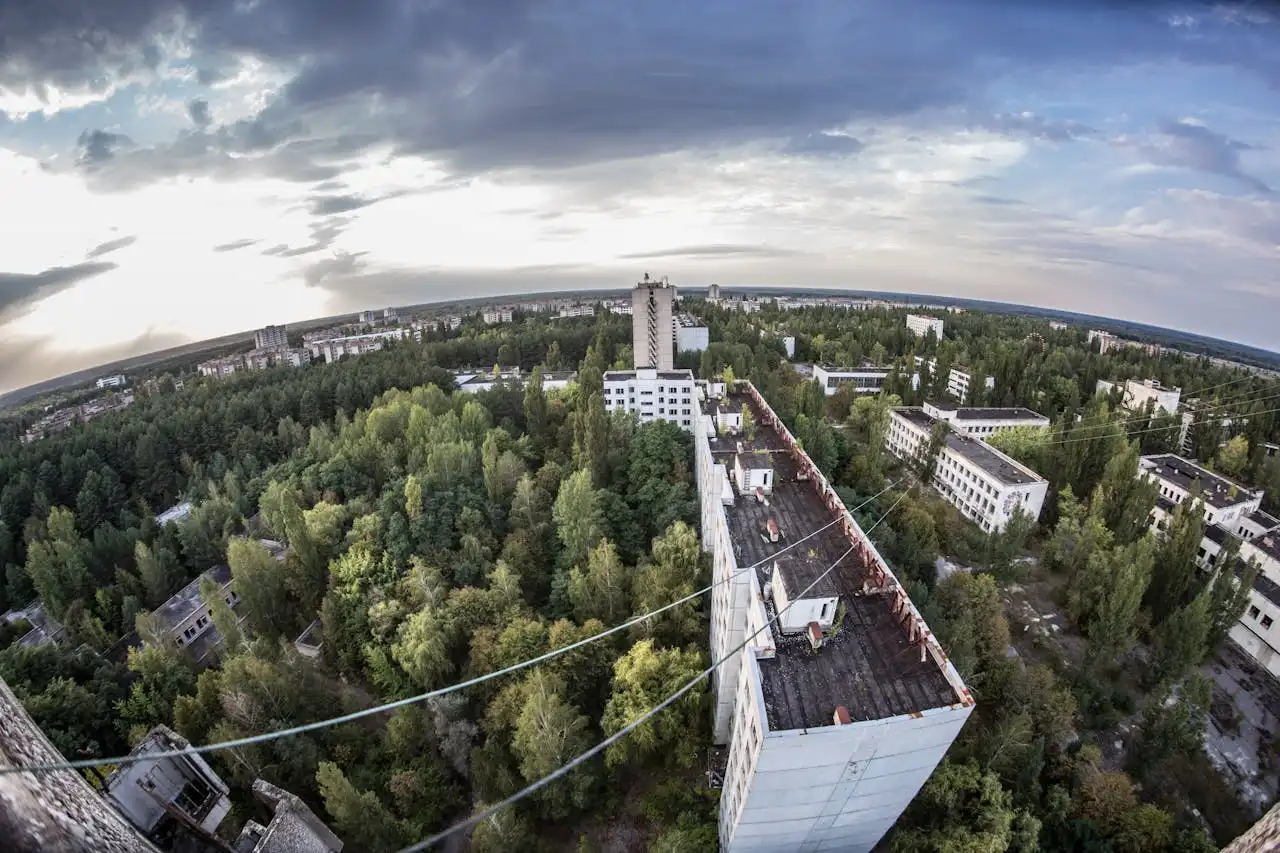
The Unseen Legacy: Chernobyl's Enduring Echoes on Life and Land
a year ago
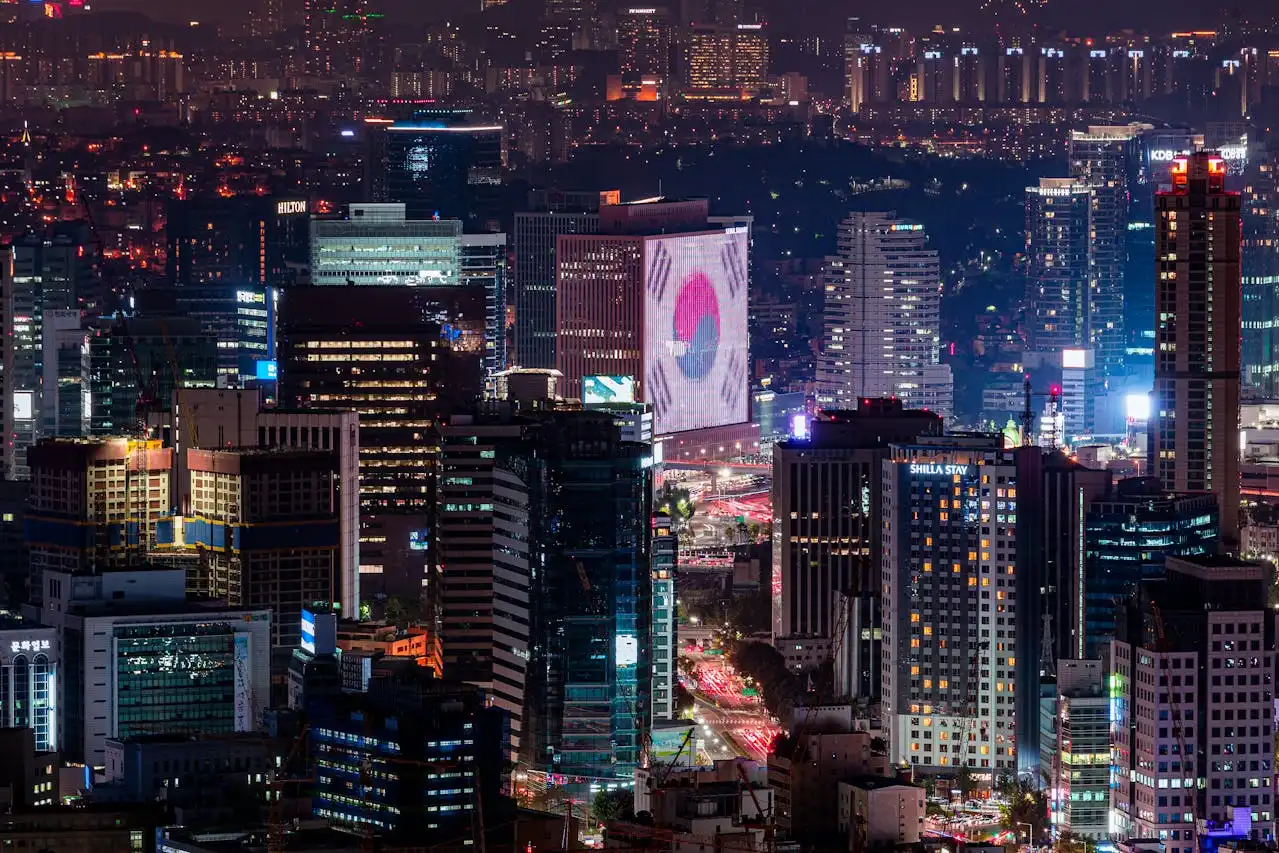
South Korea's Latest Crime-Fighting Gizmo: Say Hello to the Hologram Police!
a year ago
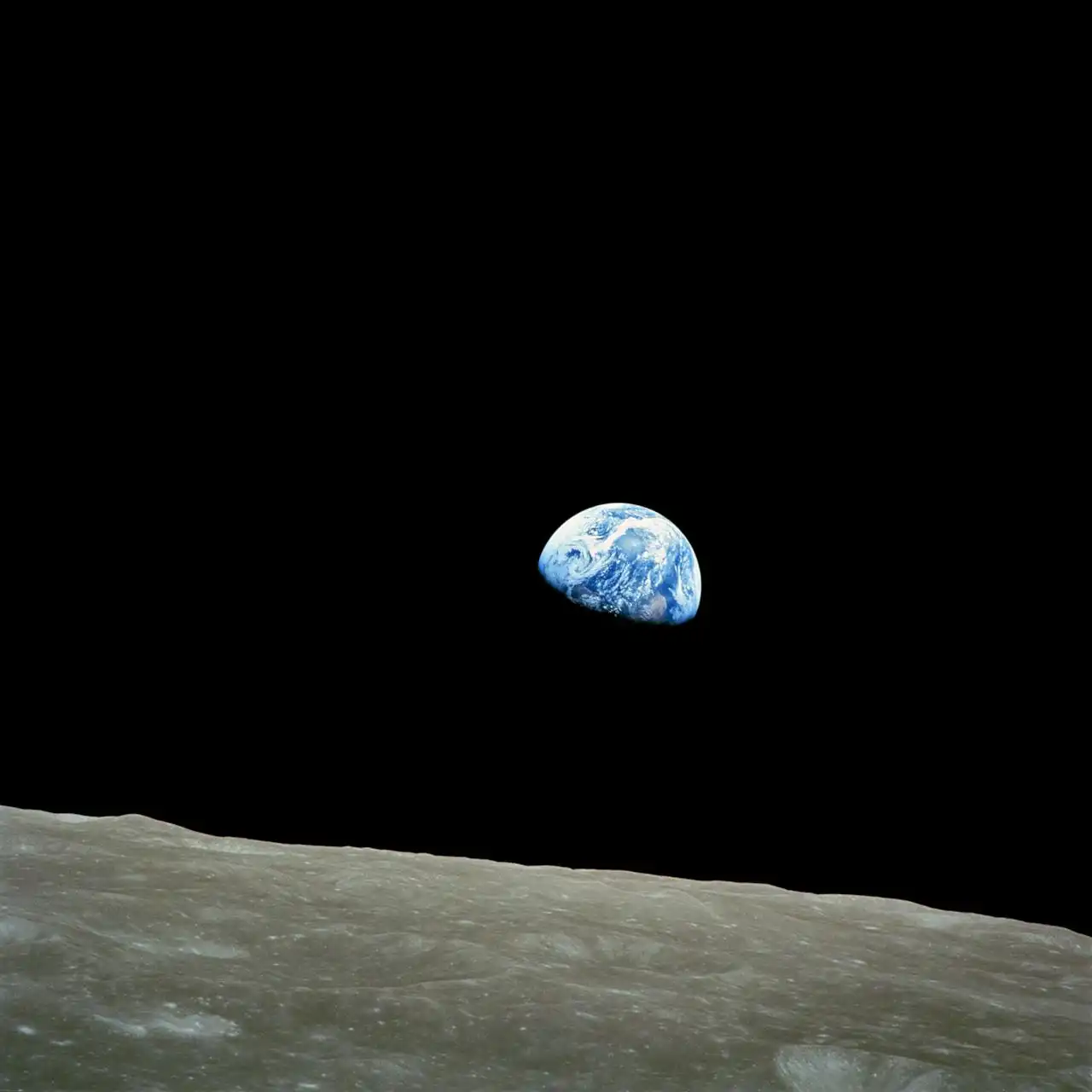
The Cosmic Game of Hide-and-Seek: Beyond Planet X, Meet Planet Y?
a year ago