More Than Just a Ramp: When Cities Level Up for Everyone
Muhe - Monday, 04 August 2025 | 10:00 PM (WIB)

Beyond the Basics: A Holistic Glow-Up
The shift has been pretty epic, right? It’s gone from basic structural accessibility – think wider doorways, accessible restrooms – to a much grander vision. Now, it's about creating an urban tapestry where every thread, every interaction, every service, is designed with universal access in mind. We’re talking about a holistic approach that sees accessibility not as a special feature for a minority, but as a baseline for everyone's quality of life. Because, let’s be real, a city that works for its most vulnerable citizens usually works better for everyone.Tech Takes the Wheel: Innovations Paving the Way
So, how's tech playing its part in this glow-up? Buckle up, because it’s a wild ride.Smart Navigation and Mapping: Your Urban Co-Pilot
- First off, smart navigation and mapping are absolute game-changers. Forget just Google Maps telling you the fastest route; now, apps like AccessNow or Wheelmap are crowd-sourcing data to show you accessible entrances, step-free paths, and even the width of doorways. Imagine navigating a new city with your phone not just guiding you, but actually whispering, "Hey, that cafe has a ramp, and their restroom is fully accessible." That’s next-level freedom.
The Internet of Things (IoT): Cities with a Conscience
- Then there's the Internet of Things (IoT), making public spaces smarter than ever. We're seeing intelligent traffic lights that can detect pedestrians with mobility aids and extend crossing times. Public transport systems are deploying real-time information screens that offer audio descriptions and sign language interpretations. Smart sensors in buildings can automatically adjust door widths or open doors as someone approaches, making entry and exit seamless. No more awkward fumbling with heavy doors – just smooth sailing.
Augmented Reality (AR) and Virtual Reality (VR): Empathy in Pixels
- And let's talk about Augmented Reality (AR) and Virtual Reality (VR). While they sound like sci-fi, they're becoming seriously practical. VR can be used for training city planners and first responders to better understand the challenges faced by people with disabilities, fostering empathy and better design. AR apps can overlay visual cues onto real-world environments, guiding individuals with visual impairments through complex spaces, or even translating sign language on the fly. It’s like having a personal guide right in your pocket.
Wearable Tech: Independence on Your Wrist (or Hand)
- Wearable tech is also leveling up. From smart canes that use haptic feedback to warn of obstacles, to sophisticated fall detection systems that alert caregivers, these devices are boosting independence and safety. And don't even get me started on advanced communication devices that translate thoughts into speech or text – truly breaking down barriers.
AI and Machine Learning: The Unsung Heroes
- Finally, AI and Machine Learning are the unsung heroes, crunching data to predict accessibility needs, personalize assistance, and even optimize urban planning for better flow and access. Think AI-powered voice interfaces at bus stops or public kiosks that respond naturally to queries, making information truly accessible to all.

Did Earth Just Jump from 3D to 5D? Let's Deconstruct the Hype
10 months ago

South Korea Says "No More Pixels, More Pencils!" in Classrooms
a year ago
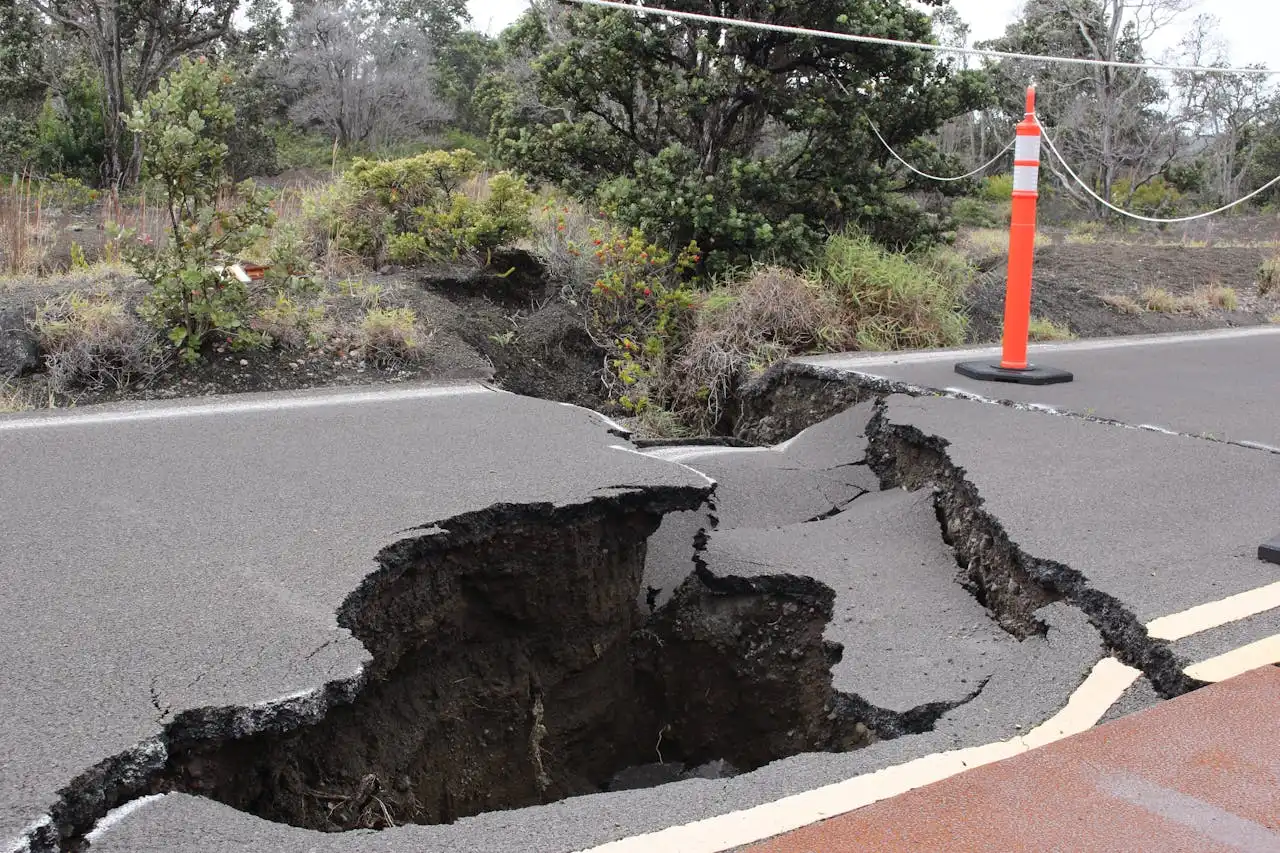
Japan Earthquake Rumors: Between Manga Prophecies, Tourist Fear, and Scientific Reality
a year ago
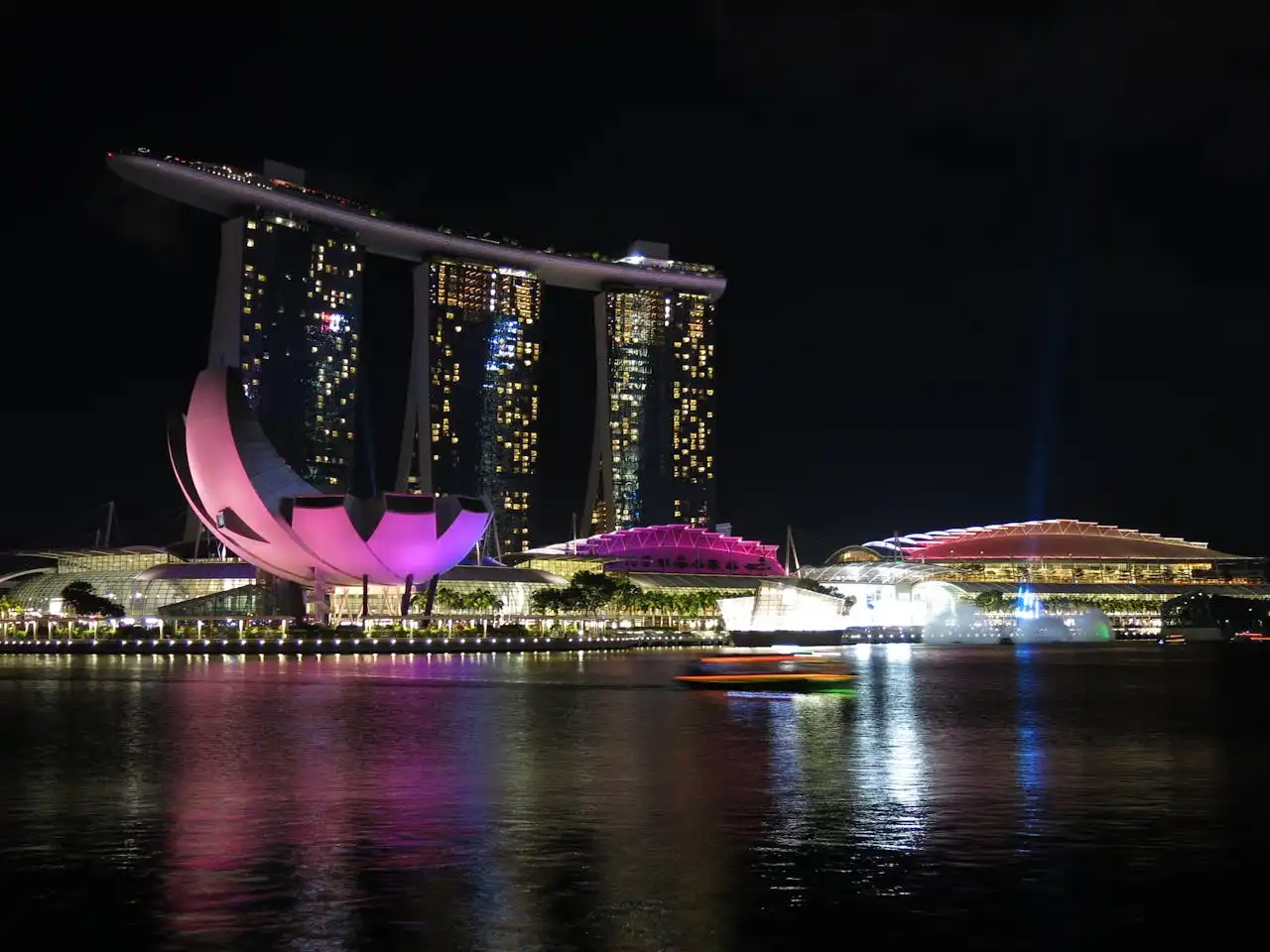
Marina Bay Sands to Become a New Icon with US$8–9 Billion Development
a year ago

Global Water Crisis 2025: A Threat That Cannot Be Ignored
a year ago
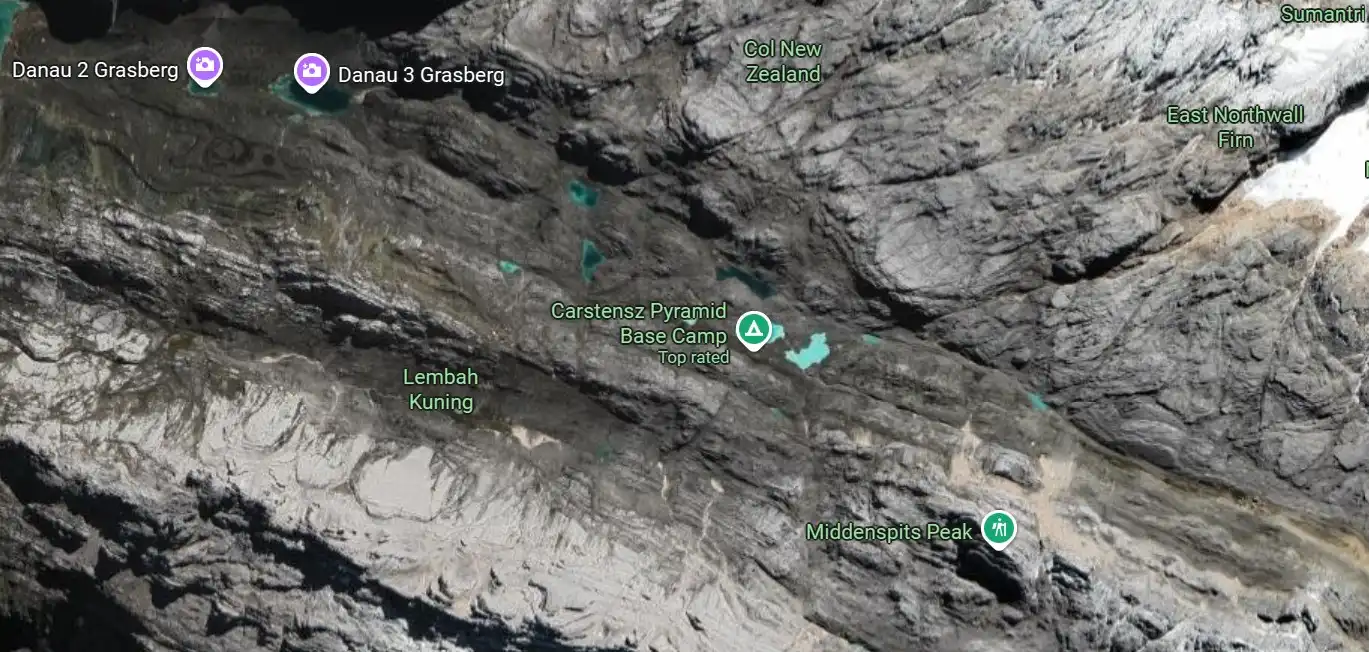
The Vanishing Crown: Global Warming's Grip on Carstensz Peak's Glaciers
a year ago
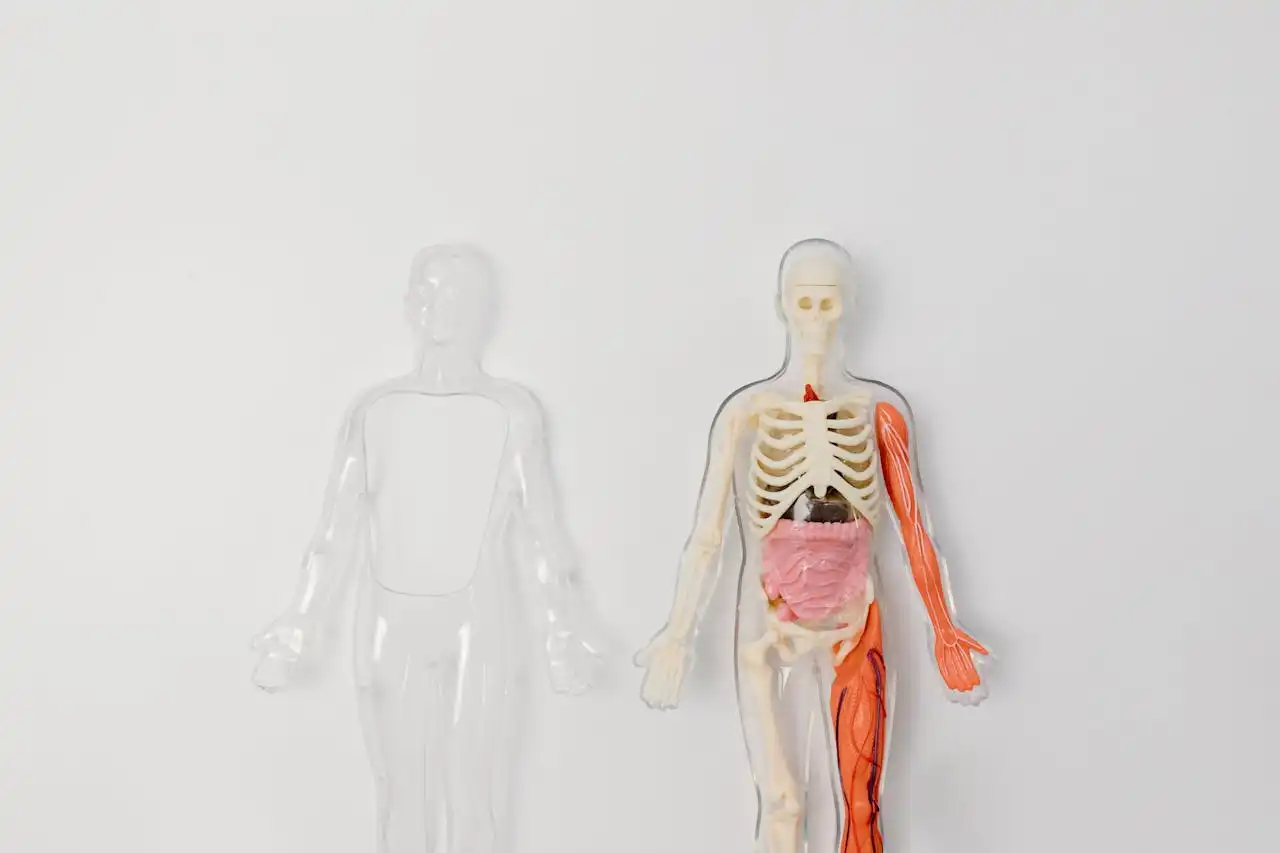
The Pig Lungs That Could Change Everything: A New Dawn for Organ Transplants?
a year ago
The Unseen Legacy: Chernobyl's Enduring Echoes on Life and Land
a year ago

South Korea's Latest Crime-Fighting Gizmo: Say Hello to the Hologram Police!
a year ago

The Cosmic Game of Hide-and-Seek: Beyond Planet X, Meet Planet Y?
a year ago