The Electrifying Comeback: A Wild Ride Through the History of Electric Cars
Muhe - Friday, 22 August 2025 | 03:00 PM (WIB)
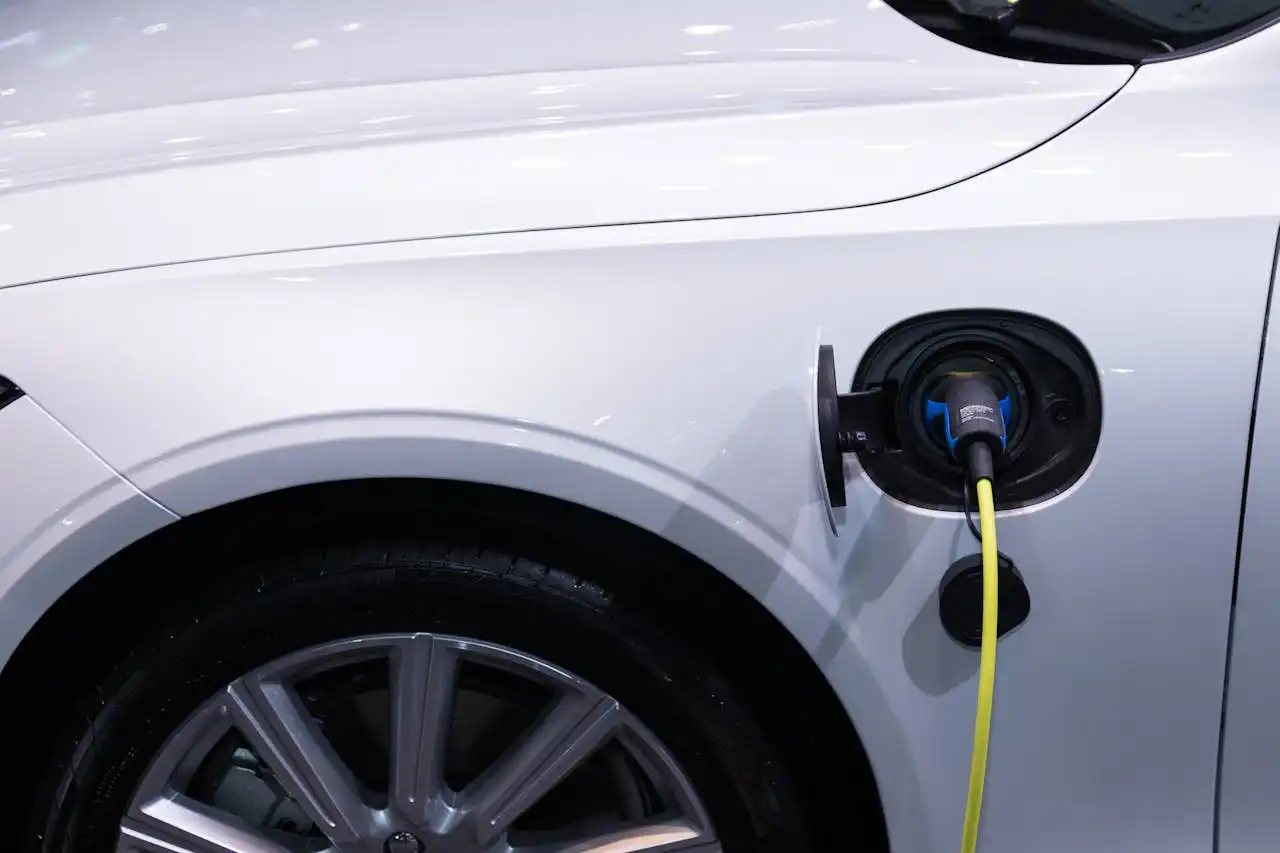
From Rudimentary Dreams to Early Road Warriors
Our electric journey kicks off in the bustling intellectual landscape of the 1800s. Picture this: no iPhones, no internet, just brilliant minds tinkering away, fueled by curiosity and the promise of a mechanized future. Between 1828 and 1839, innovators like Scotland's Robert Anderson, America's Thomas Davenport, and Hungary's Ányos Jedlik were already laying the groundwork, crafting rudimentary electric vehicles and motors. These weren't exactly highway cruisers; think more along the lines of fascinating, if somewhat clunky, prototypes. But they sparked an idea: what if a vehicle didn't need a horse, or the noisy, temperamental steam engines of the day? Fast forward a few decades, and by the late 19th century, the game started to change. Advancements in battery technology, particularly the advent of rechargeable lead-acid batteries, transformed electric dreams into practical possibilities. No longer just a science experiment, the electric car began to feel genuinely achievable. A significant milestone arrived in 1890, courtesy of William Morrison. His six-passenger electric wagon, essentially an electrified buggy, is often hailed as a pivotal moment, showing the world that electric power could move more than just a single person or a small toy. The stage was set for an unexpected golden age.The First Electric Boom: A Quieter, Cleaner Ride
Here's a fun fact that might surprise you: around the turn of the 20th century, electric cars weren't just a niche interest; they were genuinely popular! Especially in the burgeoning metropolises, these early EVs were the darlings of city dwellers, making up a whopping 28 percent of all vehicles in the U.S. at their peak. Imagine the streets of New York City, not yet choked with exhaust, where a significant chunk of the traffic moved with a genteel hum rather than a noisy chug. Many taxi fleets, in fact, were electric during this period – talk about being ahead of their time! Why the love affair with electrics? Well, compared to their gasoline-powered counterparts, they were miles ahead in terms of user experience. Gasoline cars of the era were a real pain to start, often requiring a manual, arm-breaking hand-crank. They were also notoriously loud, smelly, and generally quite a handful to operate. Electric cars, on the other hand, offered a serene, clean, and surprisingly easy driving experience. Just hop in, press a button (or flip a switch), and you were off! It’s no wonder they appealed to a wide range of people, from doctors making house calls to fashionable ladies navigating city streets. They were, simply put, the smoother, more civilized option.The Great Decline: When Gas Guzzlers Took Over
But alas, every golden age has its sunset, and for the early electric car, that sunset came swiftly and brutally after 1908. What happened? It was a perfect storm of innovations and discoveries that ultimately cemented the gasoline car's dominance for the next hundred years. First up, Henry Ford. His Model T wasn't just a car; it was a revolution. Mass production made it incredibly affordable, putting car ownership within reach of the average family. Suddenly, the allure of the open road, beyond city limits, became a tangible dream. Then came the discovery of vast, cheap oil reserves in Texas, flooding the market with inexpensive gasoline. Fueling up a gasoline car became laughably cheap compared to the cost and inconvenience of charging an electric. And as if that wasn't enough, the final nail in the coffin arrived with the invention of the electric starter for gasoline cars. Poof! Gone was the dreaded hand-cranking, leveling the playing field significantly. Electric cars, while charming, couldn't keep up. Their Achilles' heel – limited range and painfully long charging times – became insurmountable disadvantages in a world suddenly obsessed with speed, distance, and convenience. By the 1930s, the once-promising electric car had all but vanished from the market, relegated to the dusty pages of history books. It truly seemed like a flash in the pan.The Phoenix Rises: A Modern Comeback Story
For decades, electric cars remained largely dormant, a quaint curiosity from a bygone era. But the story didn't end there. Interest began to flicker again in the 1960s and 1970s, spurred by growing environmental awareness and, let's not forget, those pesky oil crises that made everyone rethink their reliance on fossil fuels. These early attempts at a revival were earnest, but technological limitations meant they never quite caught fire with the public. The 1990s saw another push, driven by stricter emission regulations, leading to cult classics like the GM EV1 – a car that was loved by its drivers but ultimately pulled from the market. It was a promising but ultimately frustrating false start. Then came the 21st century, and with it, a true, undeniable comeback. This time, the stars aligned perfectly. Breakthroughs in lithium-ion battery technology dramatically improved range and charging times, making EVs genuinely practical. Simultaneously, a global spotlight on climate change and the urgent need for sustainable solutions made electric transportation more than just a convenience – it became a necessity. And then there's Tesla Motors. Talk about a game-changer! What Elon Musk and his team did was nothing short of revolutionary. They didn't just make an electric car; they made electric cars cool, high-performance, and incredibly desirable. Suddenly, EVs weren't just glorified golf carts; they were rocket ships on wheels, symbols of innovation and a greener future. Today, the electric vehicle industry is booming, positioning itself as not just an alternative, but as a crucial, perhaps even inevitable, component of future transportation. From humble beginnings to a century of ups and downs, the electric car has proved its resilience, showing us that sometimes, the best ideas just need a little more time to truly shine.
Your Weekend Won't Recharge Itself: A Guide to Crushing the Energy Reset
a year ago

The Hidden Horrors of Tear Gas: More Than Just a Fleeting Sting
a year ago

1312: The Meaning, Origin, and Social Context of the Notorious Number
a year ago
The Digital Tightrope: How Social Media Puts a "Double Burden" on Today's Teens
a year ago

Say Goodbye to Awkward Texts: WhatsApp Unveils Your New AI Writing Coach
a year ago

The Secret Weapon of Penguins: Why Their Poop is More Impressive Than You Think
a year ago

NVIDIA Crushes New Record, Yet Market Concerns Still Exist Over "AI Bubble"
a year ago

Your Cosmic DNA? Unpacking How Zodiac Signs Shape Who We Are
a year ago

The Siren Song of Easy Money: Why We Can't Resist
a year ago

Unplug and Recharge: Your Guide to Escaping the Gadget Grip
a year ago