Thriving in the Storm: How Cities Are Getting Smart About Extreme Weather
Muhe - Tuesday, 29 July 2025 | 07:00 PM (WIB)
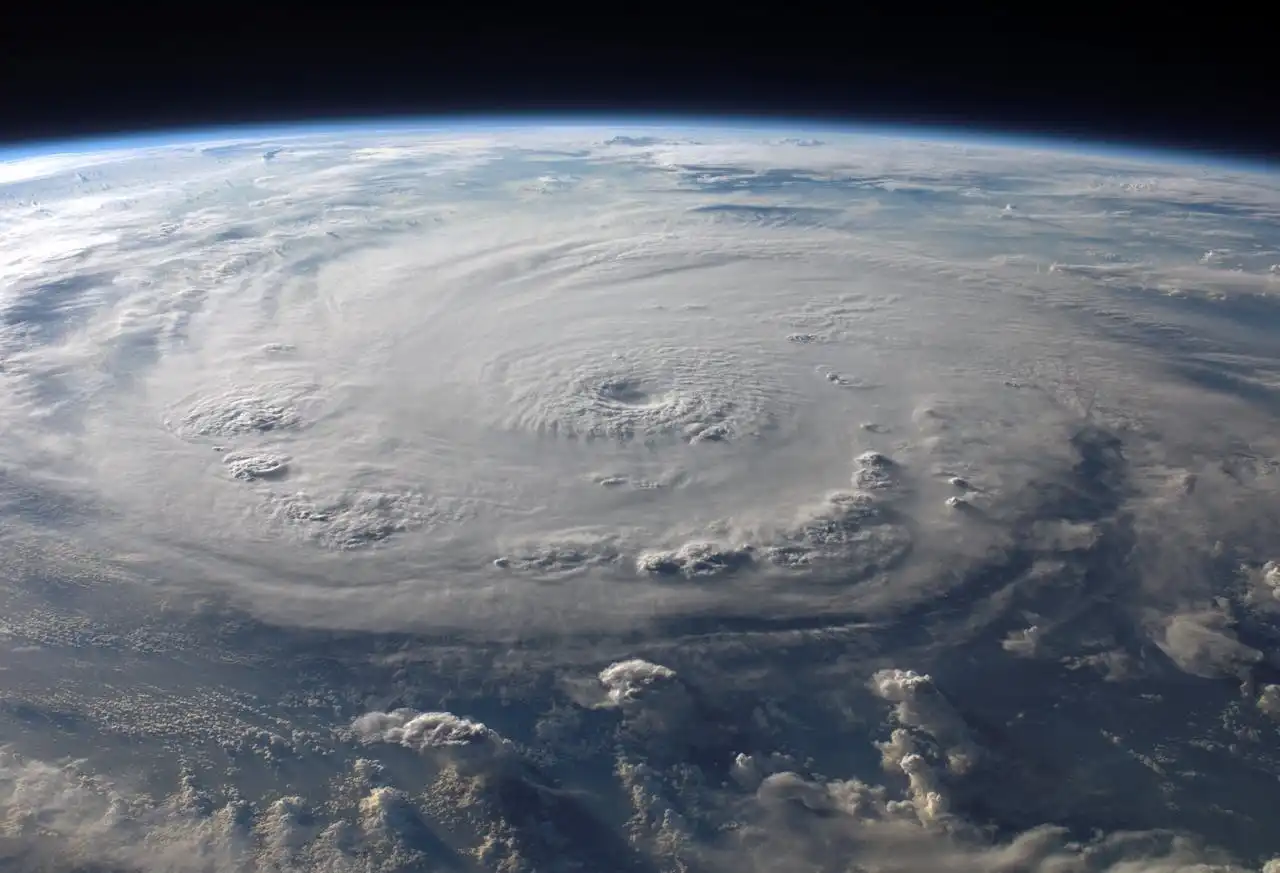
Infrastructure Under Siege: The Hard Hat Challenge
When extreme weather hits, our urban infrastructure often takes the biggest beating. Think about it: the intricate web of power lines, subway tunnels, water treatment plants, and communication towers are the very arteries of our cities. When they go on the fritz, everything else grinds to a halt. Power outages can cripple hospitals, spoil food, and make sweltering apartments unbearable. Flooding can render transport networks useless, turning a 20-minute commute into an hours-long epic saga, or worse, stranding people in dangerous situations.So, what’s the fix? Well, cities are starting to get serious about a massive infrastructure level-up. We're talking about more than just patching up holes. It’s about building for resilience, making things robust enough to take a punch and bounce back quickly. Take power grids, for instance. Some cities are exploring undergrounding power lines to protect them from high winds and falling trees. Others are investing in microgrids – localized energy systems that can operate independently if the main grid fails, keeping essential services like hospitals and emergency shelters running. It’s a sophisticated dance between technology and foresight.Then there’s the water problem. Traditional storm drains just can't handle the sheer volume of water from today's intense downpours. Enter the world of "green infrastructure." We're talking about permeable pavements that let water soak into the ground instead of pooling, rain gardens that absorb runoff, and even elevated buildings in flood-prone areas. New York City, for example, is investing billions in coastal defenses and updated drainage systems after Hurricane Sandy showed just how vulnerable its subway system was. It’s a big undertaking, often eye-wateringly expensive, but as we’ve seen, the cost of inaction is far, far greater.Community Adaptation: The Human Touch
But here’s the thing: infrastructure, no matter how shiny and new, is only half the battle. The other, equally crucial part, is the human element – how communities adapt, prepare, and support each other when the chips are down. It’s about building social resilience, fostering a kind of neighborly fortitude that can weather any storm.Early warning systems are critical, obviously. Getting timely, accurate information out to people before a heatwave or a flood hits can literally save lives. But it's also about empowering citizens to be part of the solution. Community preparedness drills, knowing your evacuation routes, having emergency kits packed – these aren't just dry governmental recommendations; they're vital survival tools. Think about how local community centers can become cooling centers during heatwaves, offering a much-needed respite from stifling apartments. Or how neighborhood groups can organize to check on elderly or vulnerable residents during extreme events.And let's circle back to that green infrastructure for a moment. Beyond managing water, urban forests and street trees play a massive role in combating heatwaves. More trees mean more shade, lower ambient temperatures, and a general improvement in urban air quality – a win-win-win. Planting trees isn't just about making the city pretty; it’s a strategic act of climate adaptation. Plus, it’s a great way to get people involved, turning a dull infrastructure project into a community-building activity.Forging Resilient Futures, Together
The journey towards climate-resilient cities isn't a straight, easy path. It’s fraught with challenges – funding issues, political will, the sheer complexity of retrofitting old cities for a new climate reality. But what’s undeniable is the growing consensus that we have no other choice. Cities are not just economic engines; they are home to billions of people, and their well-being hinges on our ability to adapt.It demands a multi-pronged approach: smart investment in next-gen infrastructure, innovative urban planning that embraces nature-based solutions, and crucially, strong, connected communities ready to face whatever comes their way. It’s fascinating, really, how what seems like a daunting technical problem ultimately boils down to collaboration, empathy, and collective action. The future of our cities in the face of extreme weather isn't just about building higher walls or deeper tunnels; it’s about building stronger bonds, smarter systems, and a shared vision for a future where urban life can thrive, even as the climate throws its worst at us. It’s a challenge, sure, but it’s also an incredible opportunity to rethink, rebuild, and create something truly resilient.
Your Weekend Won't Recharge Itself: A Guide to Crushing the Energy Reset
a year ago
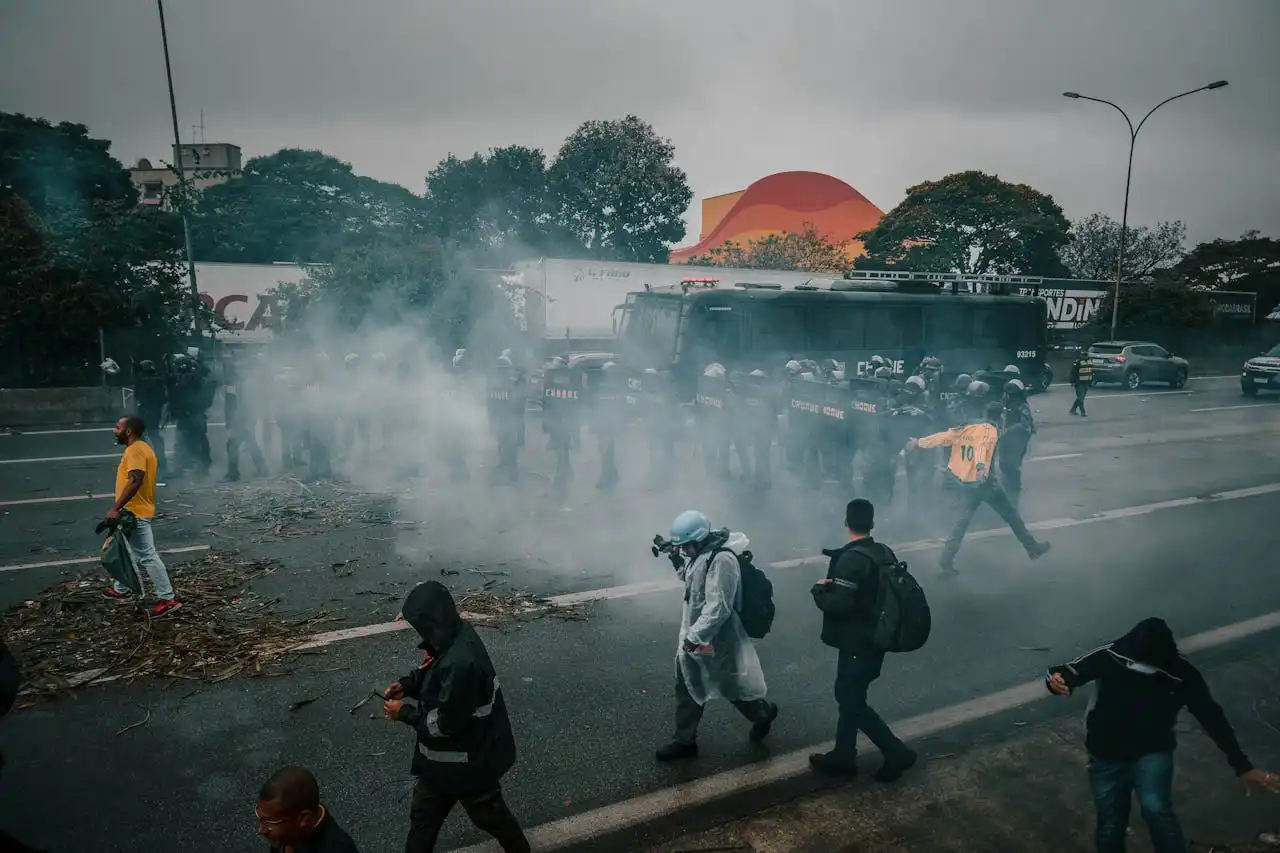
The Hidden Horrors of Tear Gas: More Than Just a Fleeting Sting
a year ago
1312: The Meaning, Origin, and Social Context of the Notorious Number
a year ago

The Digital Tightrope: How Social Media Puts a "Double Burden" on Today's Teens
a year ago

Say Goodbye to Awkward Texts: WhatsApp Unveils Your New AI Writing Coach
a year ago

The Secret Weapon of Penguins: Why Their Poop is More Impressive Than You Think
a year ago

NVIDIA Crushes New Record, Yet Market Concerns Still Exist Over "AI Bubble"
a year ago

Your Cosmic DNA? Unpacking How Zodiac Signs Shape Who We Are
a year ago
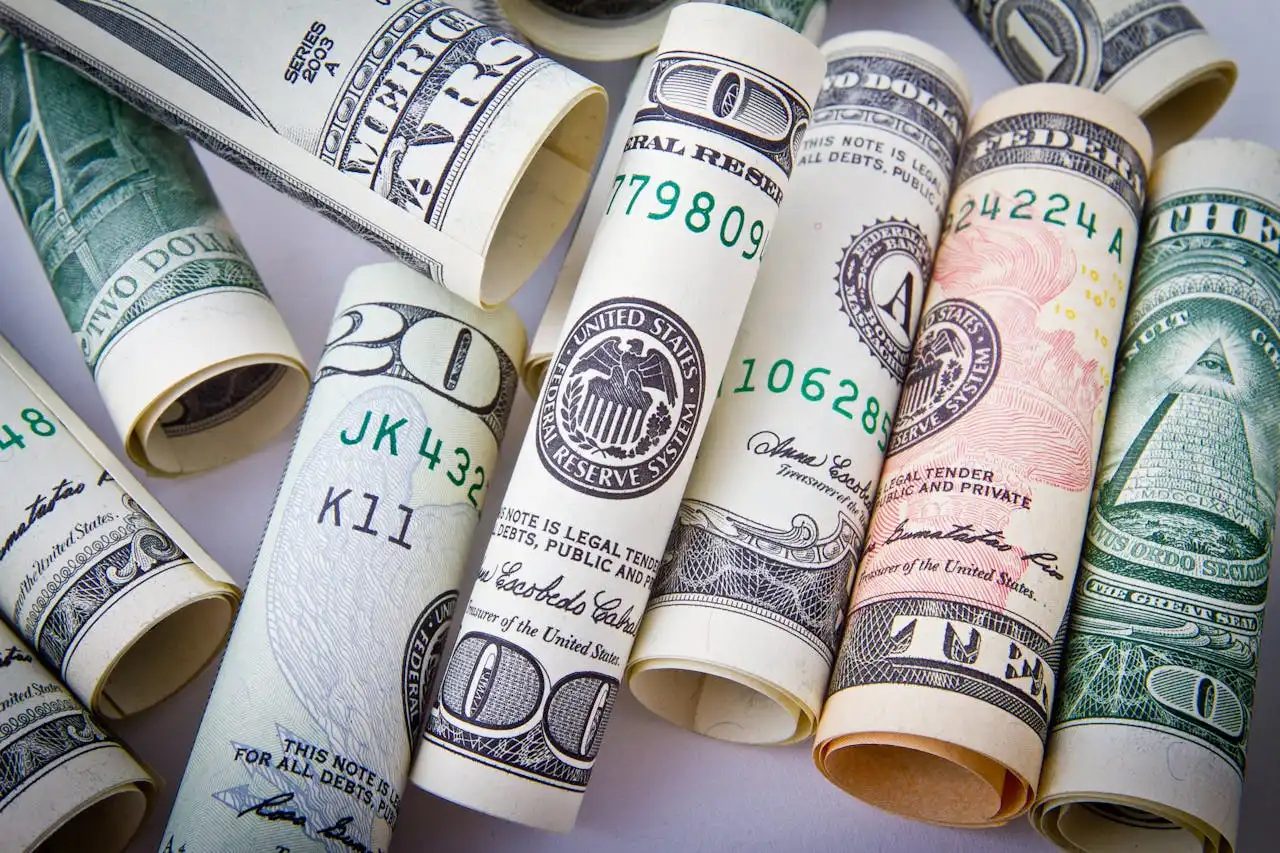
The Siren Song of Easy Money: Why We Can't Resist
a year ago

Unplug and Recharge: Your Guide to Escaping the Gadget Grip
a year ago